

fibre de chanvre
ASA-Project
Where materials meet
The Asa collection, born from five years of research into the expressive and functional potential of urushi plant-based lacquer,
brings together a collection of furniture and decorative pieces developed between France and Japan

The ASA project
Initiated in 2020 with Entropie, a radiator employing thermo-chromic lacquer technology and awarded the Liliane Bettencourt Prize for the Intelligence of the Hand, this collaboration marks the meeting of the traditional craftsmanship of lacquer artist Nicolas Pinon and the material curiosity of artisan-designer Dimitry Hlinka
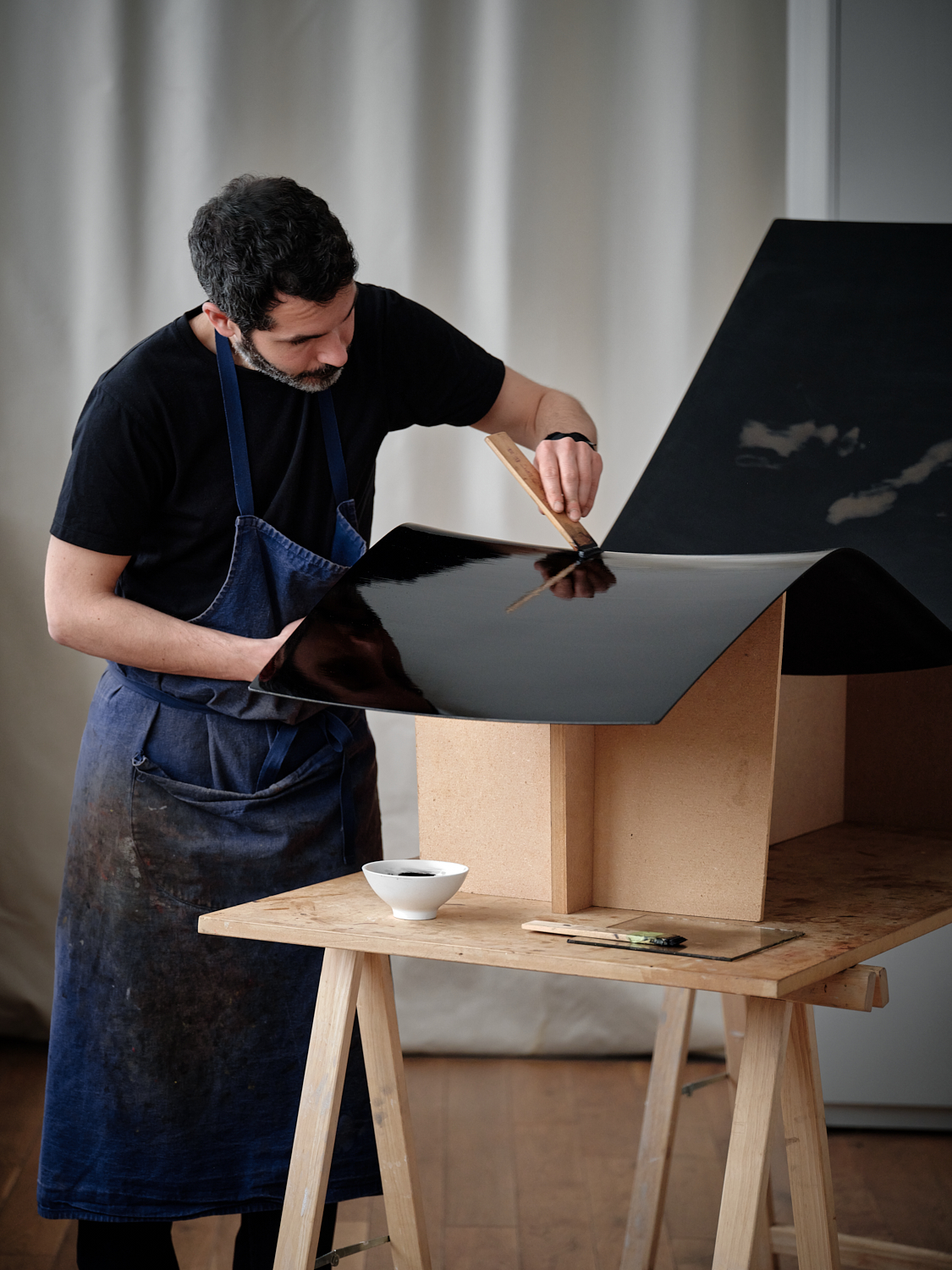
Together, they explore kanshitsu, a traditional Japanese technique that involves shaping objects and sculptures using multiple layers of hemp cloth coated with lacquer. Hemp — a plant-based fiber with remarkable properties, grown in both France and Japan — becomes the natural and cultural bond at the heart of their approach.
PRODUCTION
The ASA collection
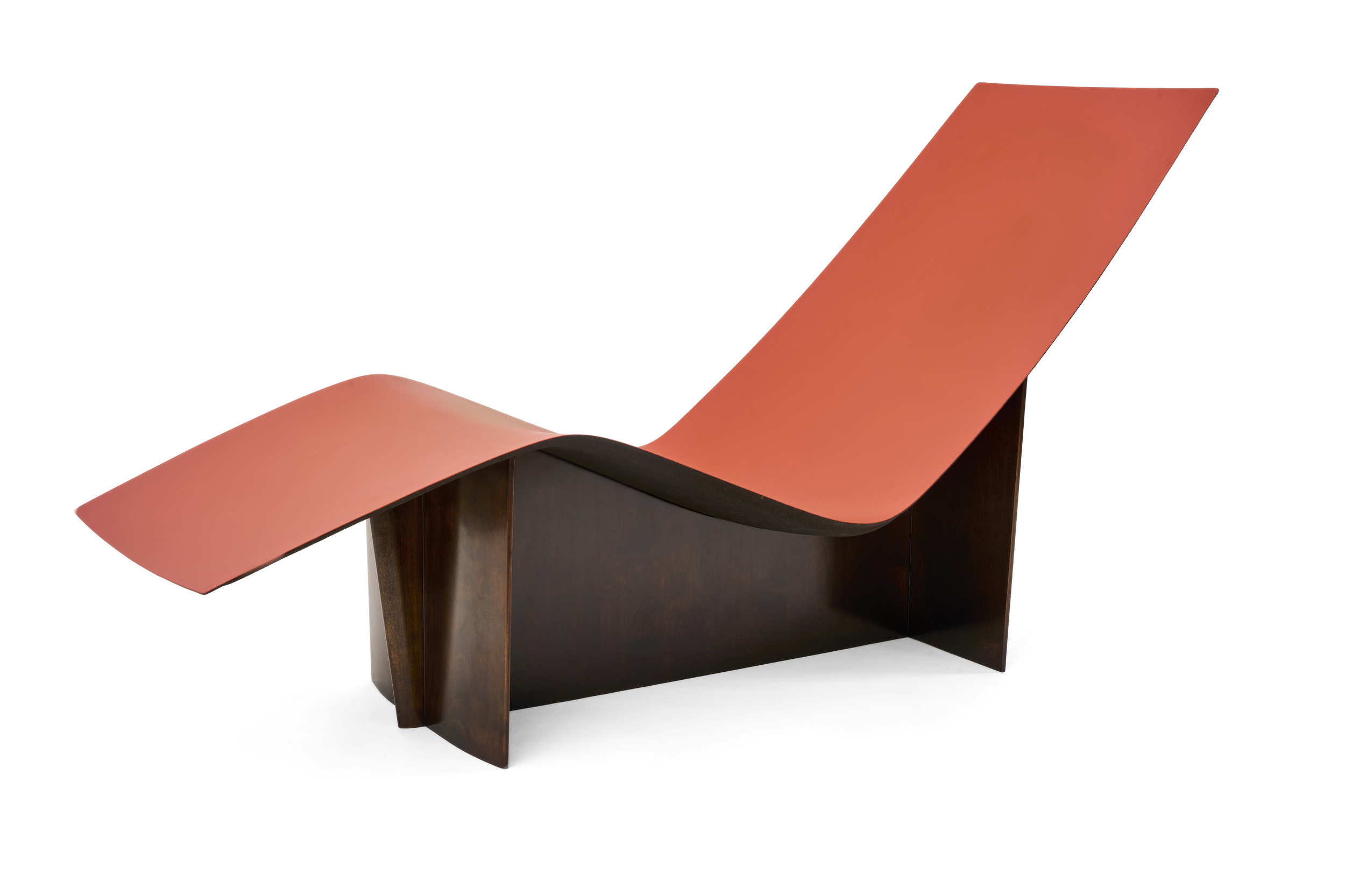
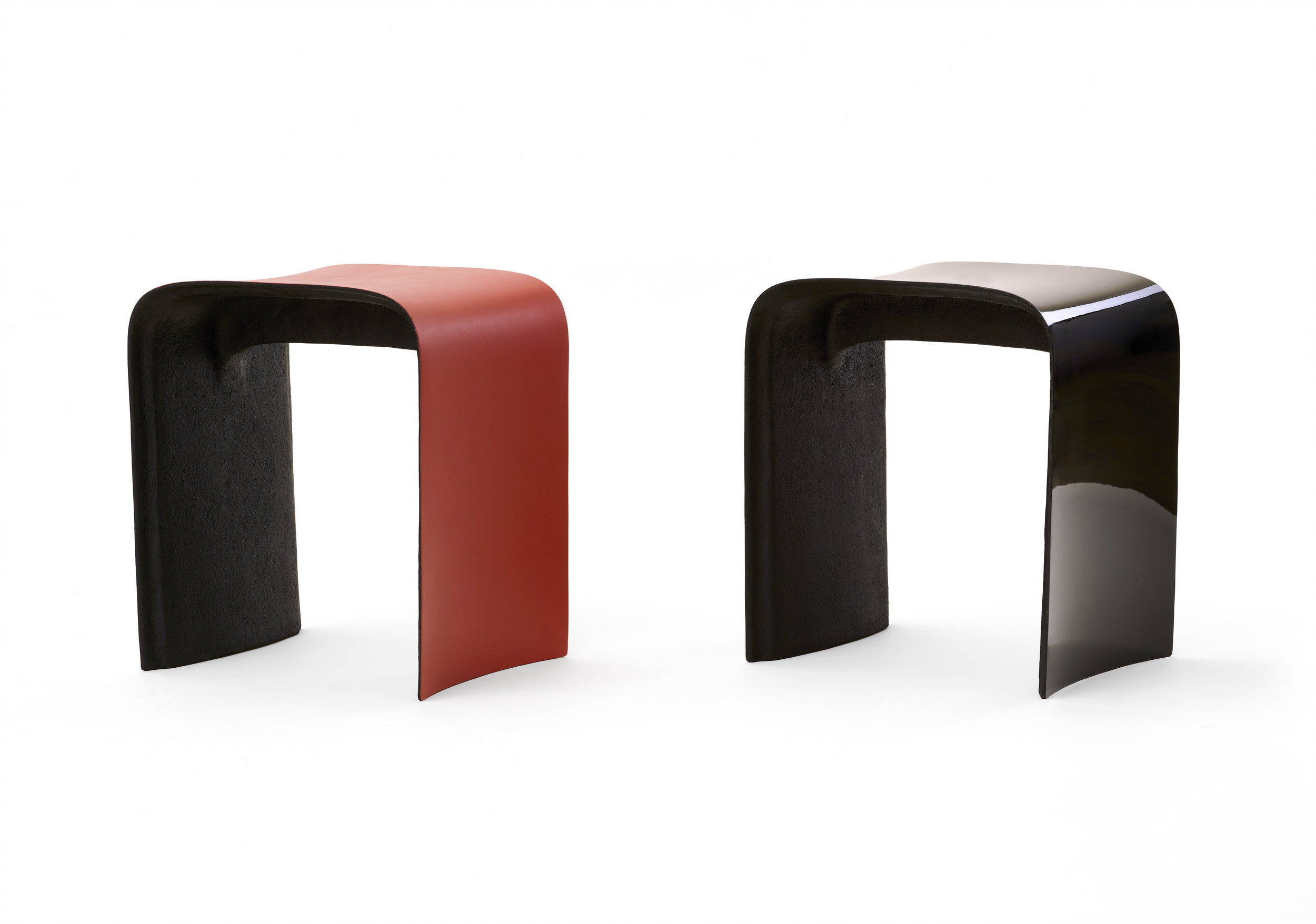
Inspired by the curve of a sheet of paper, The pieces in the Asa collection reflect the lightness of their manufacturing process. Decorated with a vermilion red — an iconic shade of Urushi l’urushi They are deliberately matte, a choice that highlights both their utilitarian purpose and their evident presence
Inspired by the curve of a sheet of paper, The pieces in the Asa collection reflect the lightness of their manufacturing process. Decorated with a vermilion red — an iconic shade of Urushi l’urushi They are deliberately matte, a choice that highlights both their utilitarian purpose and their evident presence
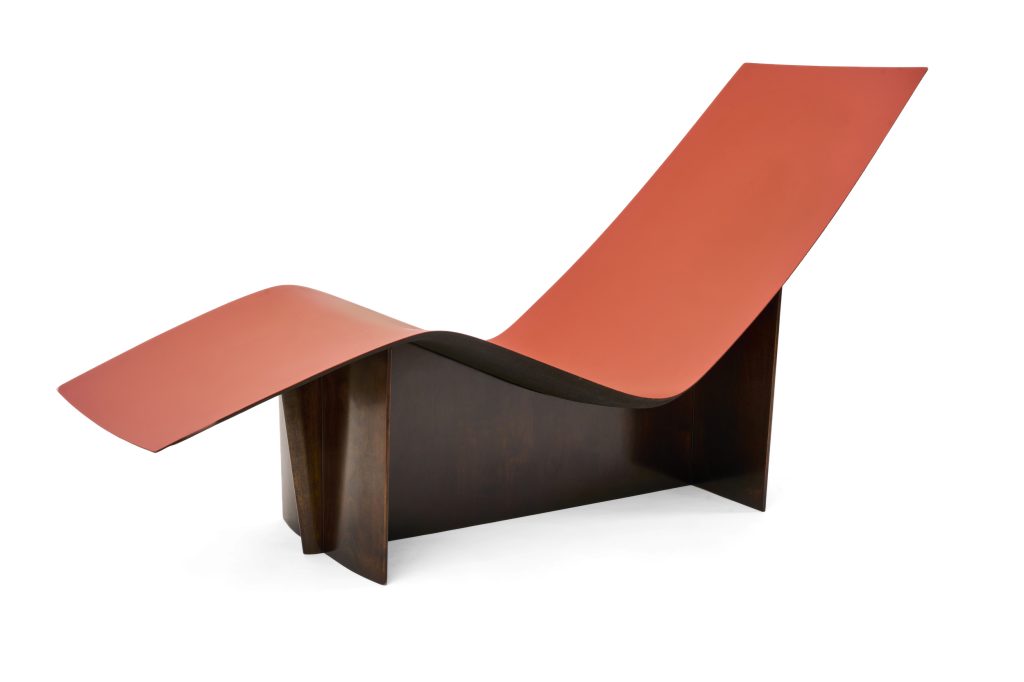
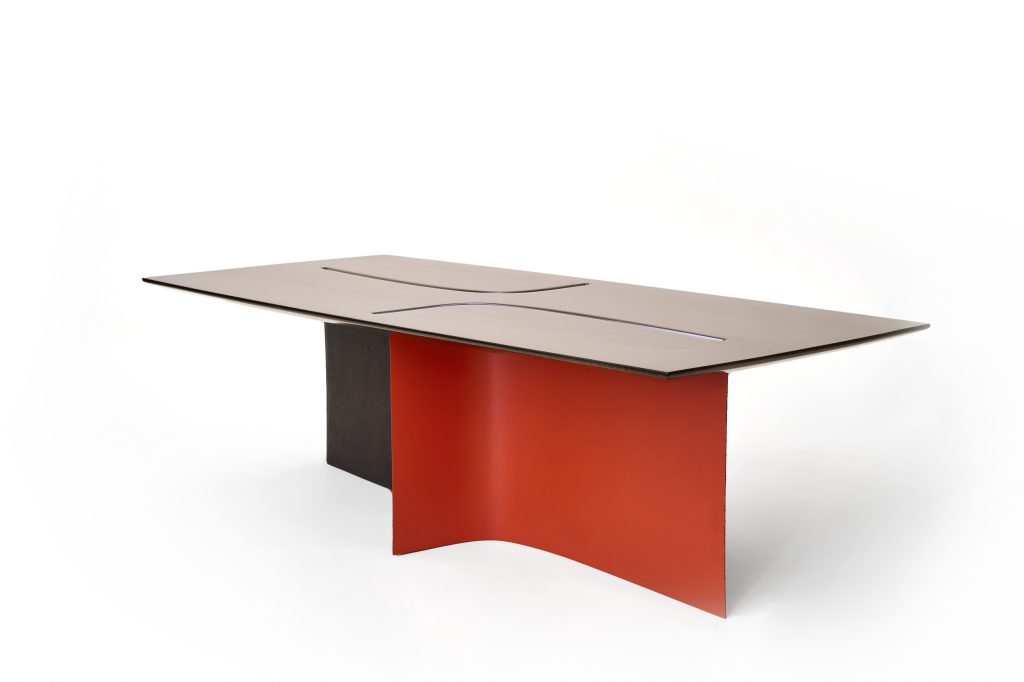
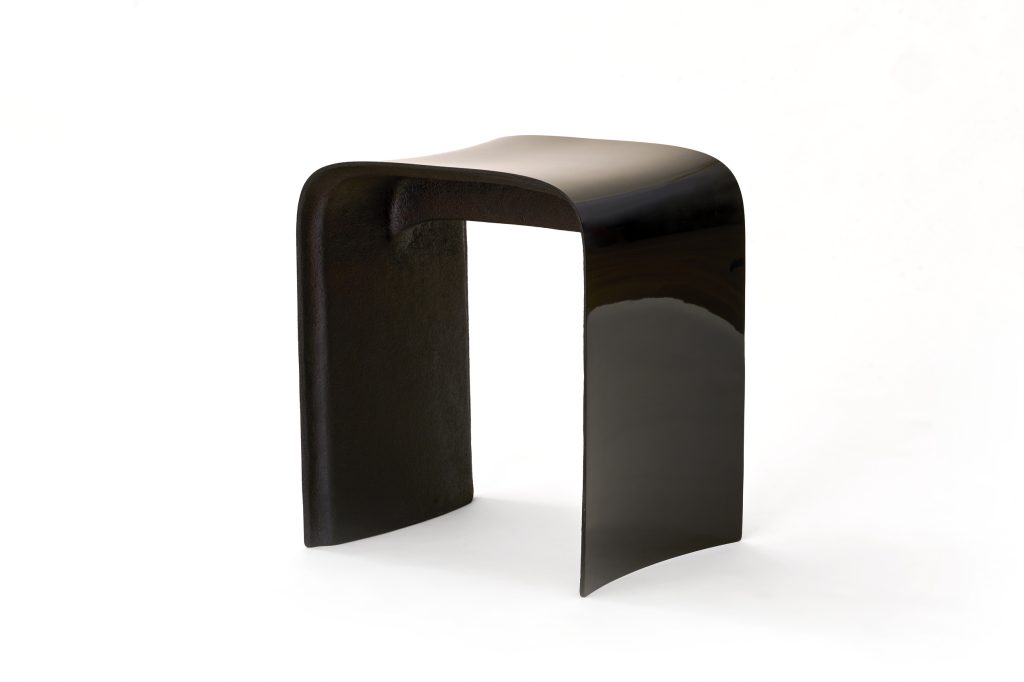
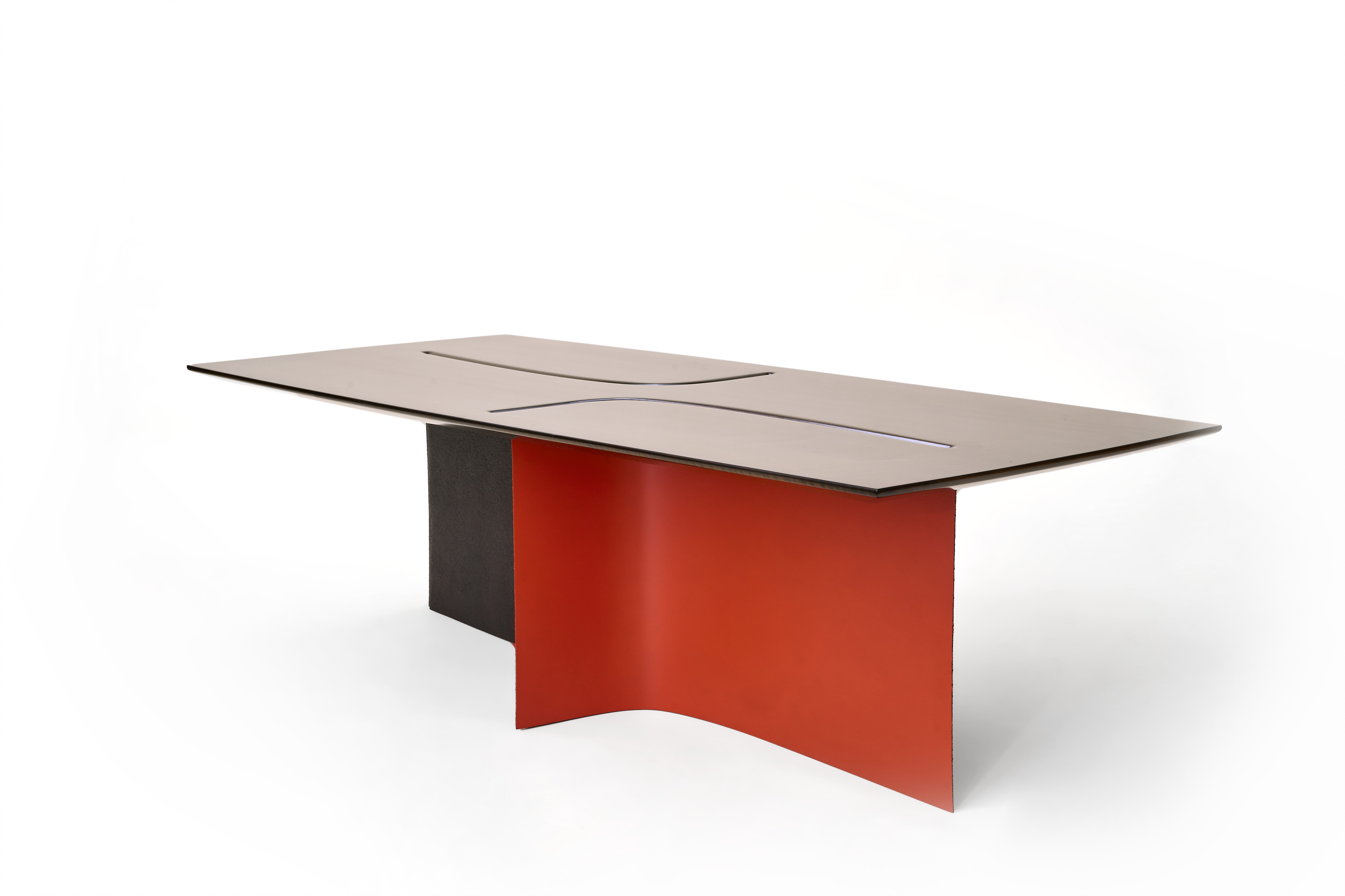
Paris – Kyoto
Sharing
ASA, THE FILM chronicles the journey of this experimental project. Director Félix Marye followed the creative duo from France
all the way to Japan, capturing the exchanges and influences that gave rise to the Asa Collection.
Time Regained
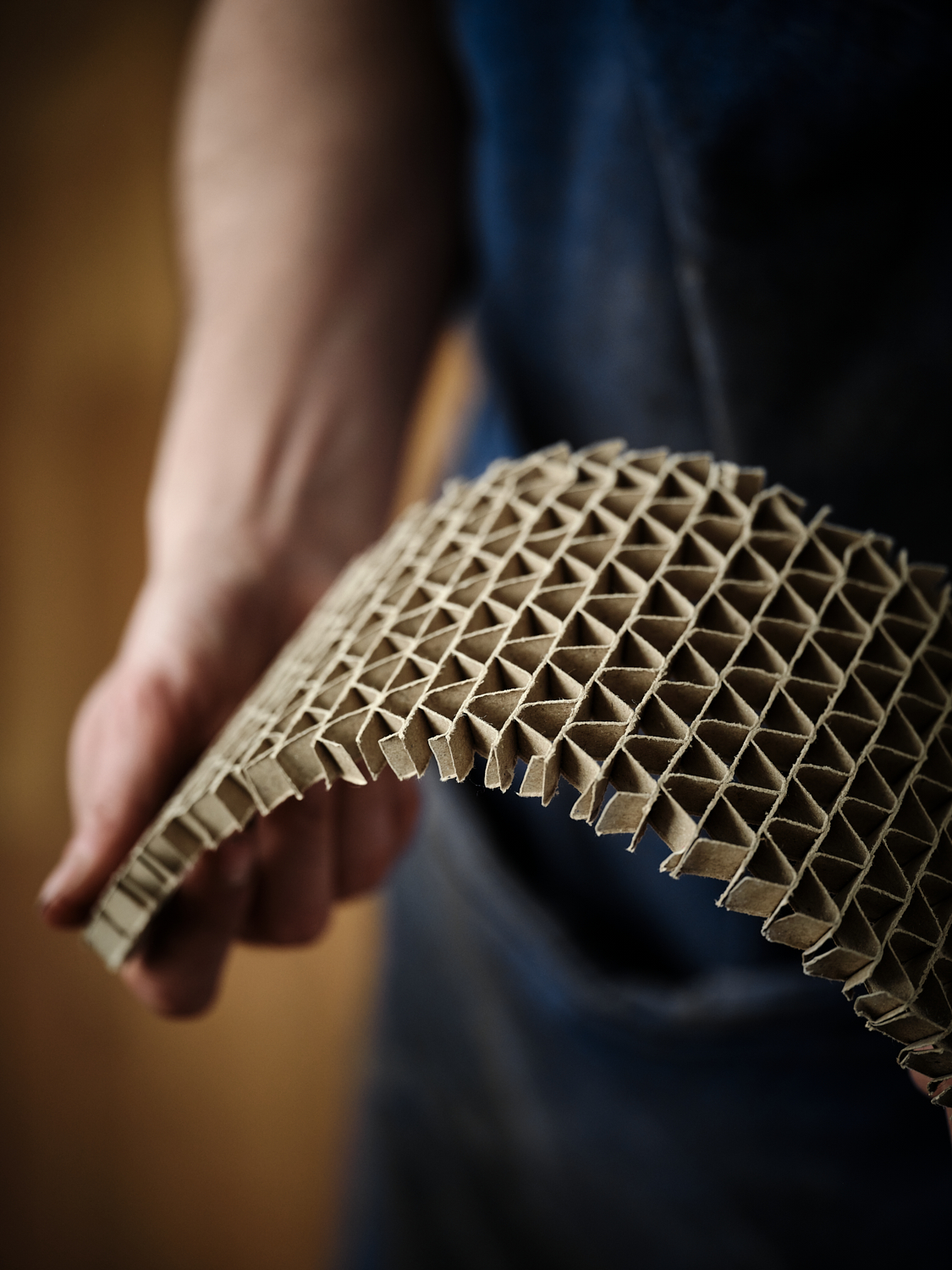
In 2024, a residency within the Villa Kujoyama in Kyoto offers them the opportunity to meet those dedicated to preserving the heritage of lacquer. urushiwhile contributing to its revitalization. Their experiments are then enriched by a honeycomb cardboard structure developed in collaboration with the Japanese artist and researcher Kenji Toki, which gives the objects unprecedented sturdiness. Combined with the lacquer urushi and hemp powder collected in France, it allows a change in scale and use, giving rise to a series of seating and furniture made from raw, natural, and unprocessed materials.
ARTISANS / DESIGNER
Collaborate
The Asa collection, born from five years of research into the expressive and functional potential of urushi plant-based lacquer,
brings together a collection of furniture and decorative pieces developed between France and Japan
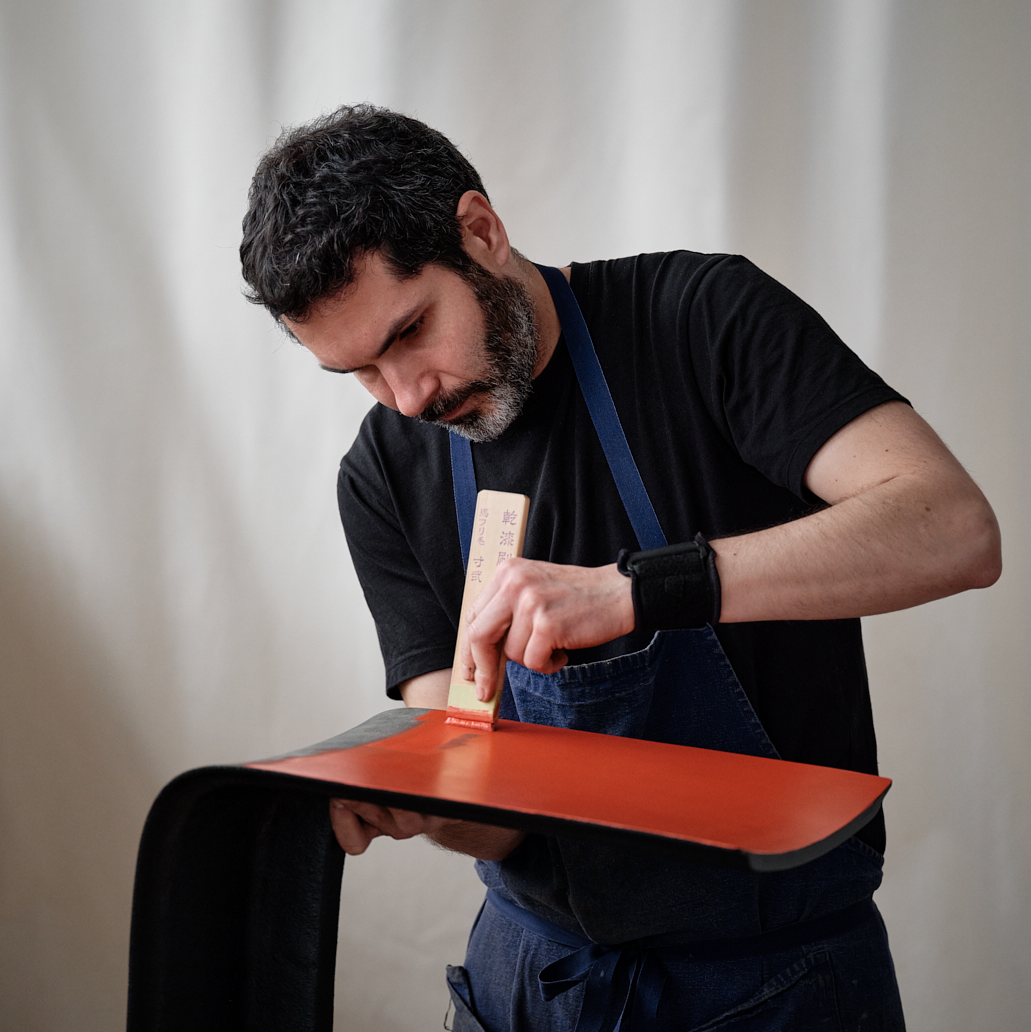
Nicolas PINON
Lacquer artist / cabinetmaker
Nicolas Pinon is a cabinetmaker and lacquer artist, specialized since 2013 in Japanese urushi lacquer and high-end finishes. Trained in France, Spain, and then Japan under master Nagatoshi Onishi, he has developed a practice combining restoration and contemporary creation. In 2020, he received the Liliane Bettencourt Prize for the Intelligence of the Hand alongside Dimitry Hlinka for the radiator project. Entropie, as well as the Grand Prix de la Création of the City of Paris. His work explores traditional techniques, notably kanshitsu, which he translates into a contemporary artistic language.

Dimitry Hlinka
Designer / artisan
Dimitry Hlinka is an artisan and designer. Graduated from École Boulle in Marquetry and Event Design, his practice is based on exploring materials, combining artisanal know-how with digital tools in an applied research approach. Guided by the mechanical and expressive qualities of materials, he creates pieces where form, function, and narrative emerge through experimentation. In 2020, he received the Liliane Bettencourt Prize for the Intelligence of the Hand alongside Nicolas Pinon for the project. Entropie.
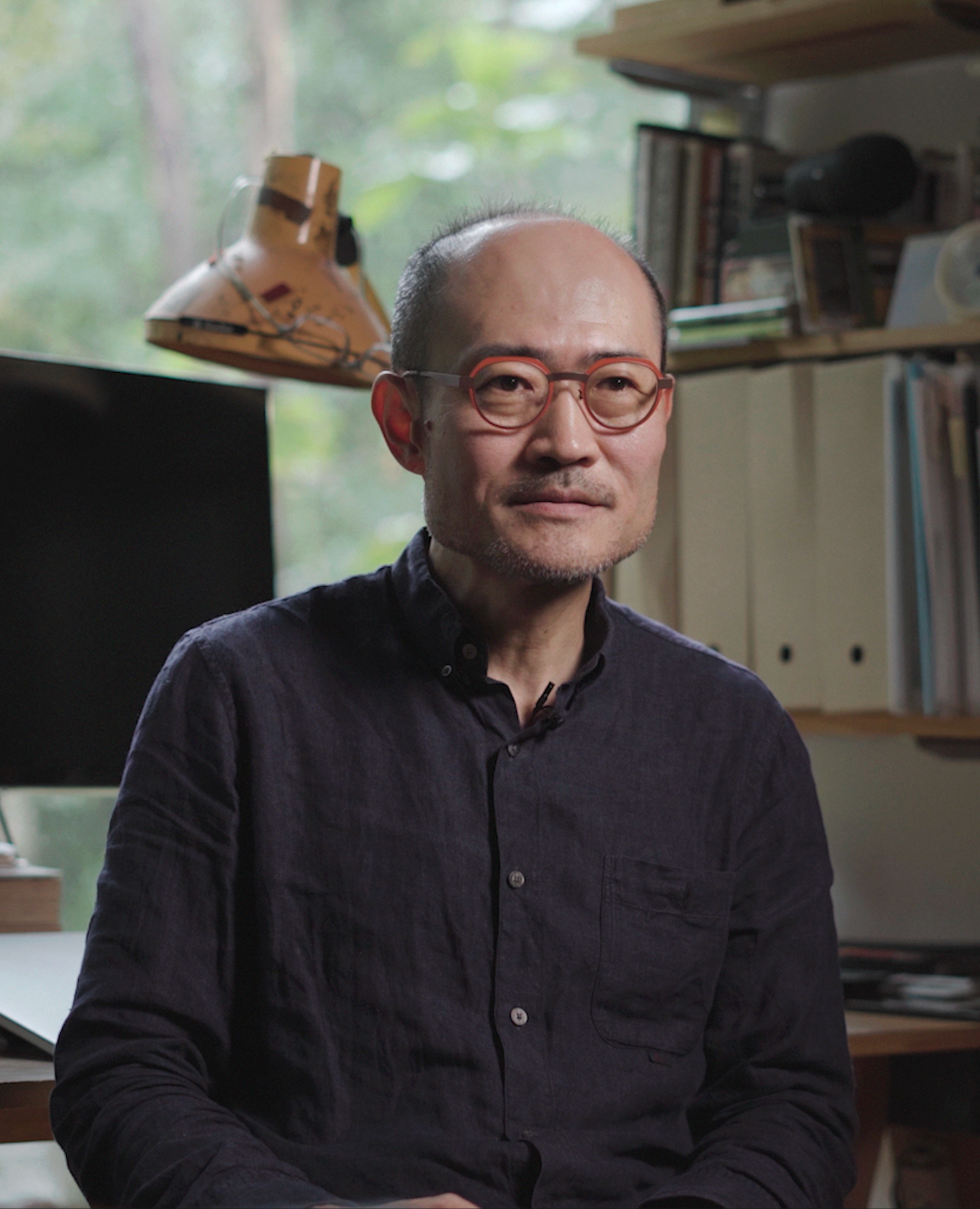
Kenji TOKI
Master of lacquer / artist
Kenji Toki, artist and master lacquer artist born in Kyoto in 1969. A professor at Miyagi University, he has been exploring the potential of kanshitsu since the 1990s, integrating 3D modeling and laser cutting. His work has been exhibited internationally and is part of major collections such as the Victoria & Albert Museum and the Metropolitan Museum of Art in New York. His teaching and practice make him a key figure in the preservation and renewal of this ancient art.
KANSHITSU & URUSHI
Innovating

Kanshitsu
Kanshitsu is a traditional Japanese technique of shaping objects by layering hemp cloth soaked in lacquer urushi. Originating in China and later adopted in Japan from the 7th century, particularly within the Buddhist context, it enables the creation of hollow forms that are both lightweight and durable.
Unlike wood carving, it relies on a temporary mold—clay or plaster—that is removed once the structure hardens, leaving only a shell reinforced by successive layers of lacquer. Long used for the creation of religious statues, this technique now finds new resonance in the field of contemporary art.
Hemp powder
In France, hemp has been used for centuries, primarily for the production of textiles, ropes, and paper, especially during the Middle Ages. Recently rediscovered for its ecological qualities, it is now used in construction, food, and cosmetics. In Japan, hemp (asa) holds a strong spiritual and cultural significance, associated with purity and Shinto tradition. It was commonly used in clothing, sacred ropes (shimenawa) and handcrafted objects...
Urushi
Lacquer urushi is a natural resin extracted from the lacquer tree (Toxicodendron vernicifluum), used in Japan for over 7,000 years. It developed in Japan during the Jōmon period, becoming a refined art form. Urushi is applied in thin layers on various surfaces (wood, bamboo, fabric), hardening thanks to ambient humidity. This material is both waterproof, resistant, and extremely durable...
The Film
This documentary takes you step by step into the heart of a living process: that of creation, travel, and encounters. Between precise gestures and shared moments, it reveals the subtle beauty of craftsmanship and the richness of the paths taken.
PARTNERS
Acknowledgments
This project benefits from the post-residency program of Villa Kujoyama, with the support of
the French Institute in Japan and the Bettencourt Schueller Foundation.




SITE
© asa-project – 2025